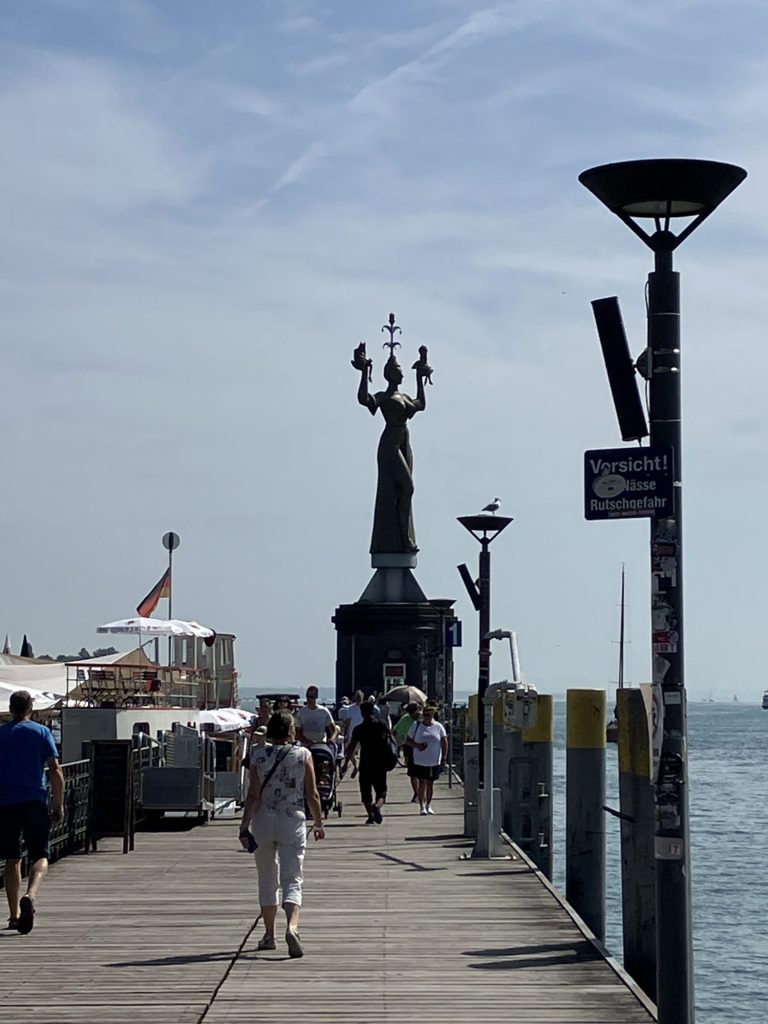
In 2025 our cycling trip takes us south to Germany, to Lake Constance. For this journey we found inspiration in Paul Benjaminse’s book Door de zwarte wouden.
Just like in 2024, we’re doing this trip as a couple—the kids have other plans.
This cycling trip turned out to be a real success: the weather was on our side (at times even too warm), the bike paths along the entire route were in good condition, and on top of that we got a fine lesson in Central European geography. We followed or crossed no fewer than nine rivers, cycled through the Eifel and the Black Forest, and passed through four different European countries besides Belgium. The intensity varied nicely without ever becoming excessive: flat stretches alternated with rolling terrain, and now and then some steeper climbs.
We took the train from Brussels to Welkenraedt, from where we cycled to the village of Raeren and then picked up the well-known Vennbahn. Shortly after St. Vith we left the Vennbahn heading into the Eifel. From there the route became quite varied, following the valleys of a series of small and larger rivers: Enz – Prüm – Sauer – Moselle. We rode through forests, fields, meadows, and hop fields. Because the route followed the river valleys, the terrain was gently undulating but never excessively steep.
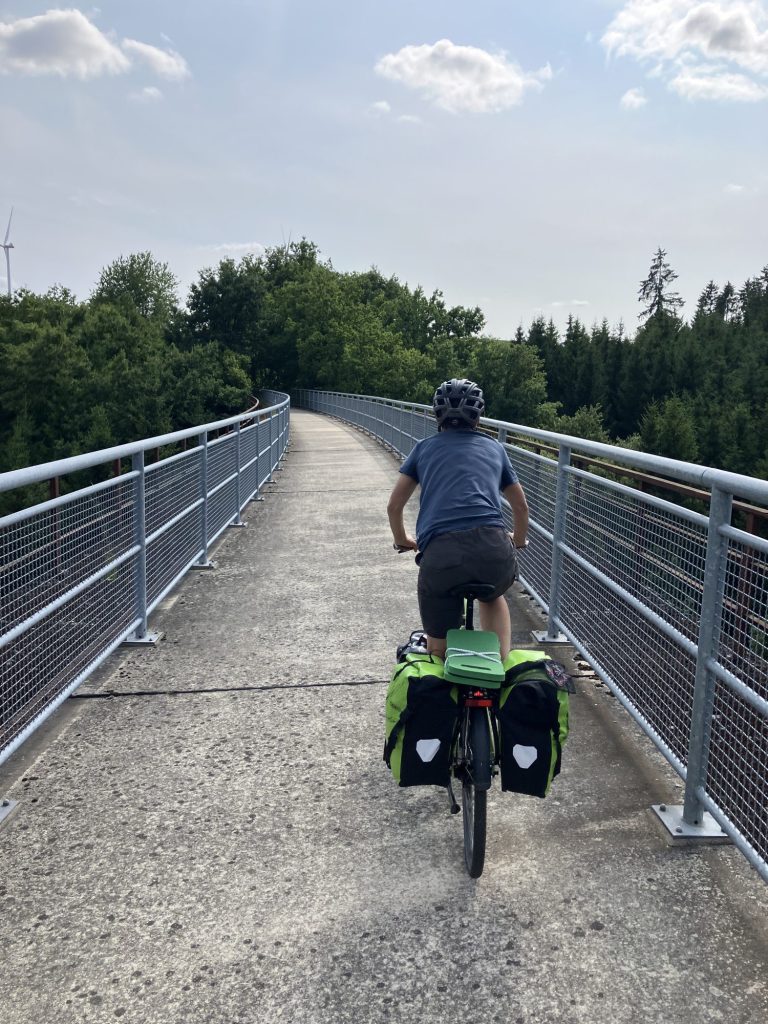
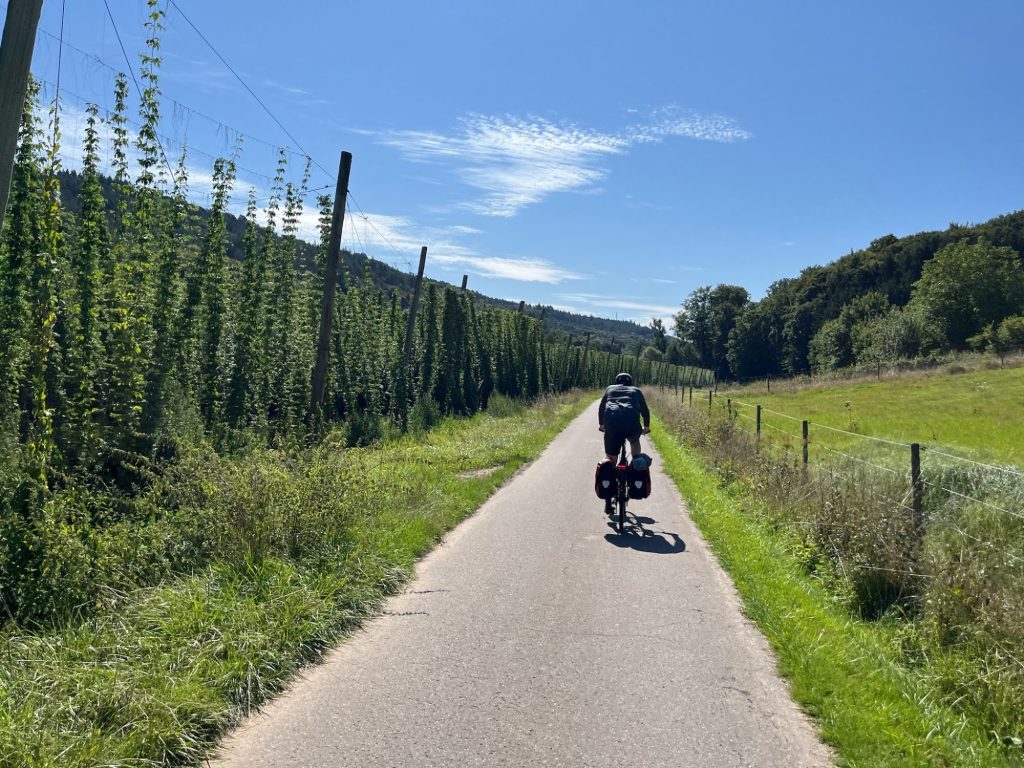
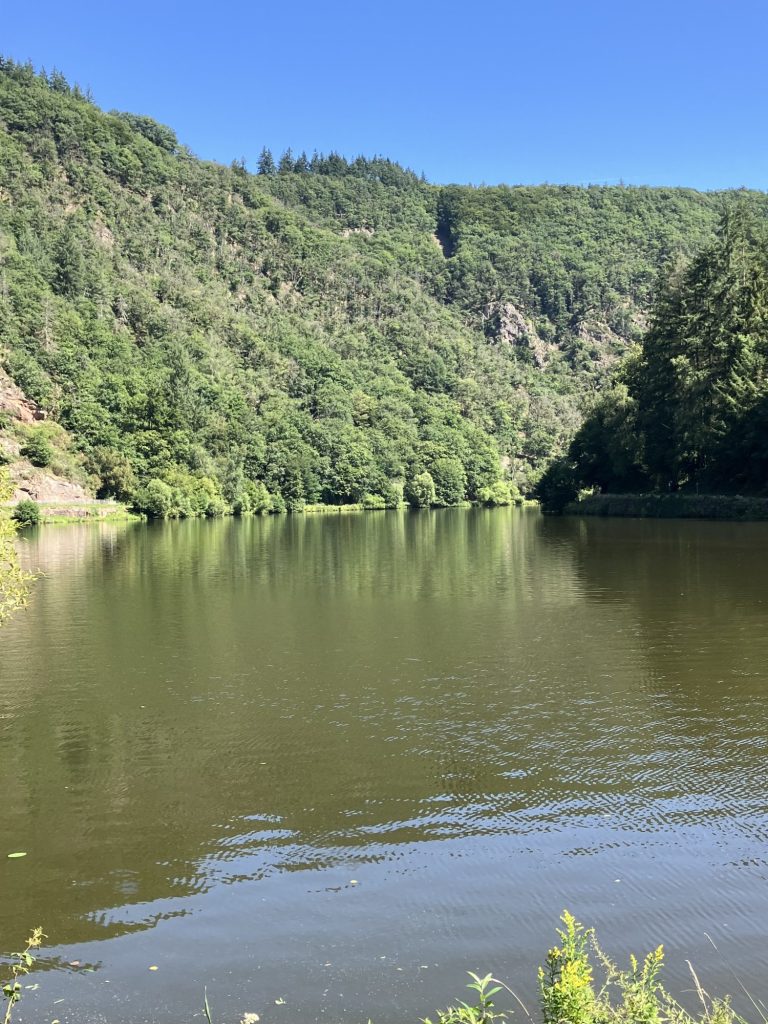
The Sauer led us to Wasserbillig, the lowest point in the Grand Duchy of Luxembourg, where it flows into the Moselle. Hops gave way to vineyards. After a short stretch along the Moselle, we followed the Saar River from Konz. The scenery changed: the river meandered through typical reddish-brown rock formations, alternated with woodland and vineyards. The cycle path stayed right by the river, so no climbing here. Along the way we passed the charming town of Saarburg. As we approached Saarbrücken, nature gave way to houses and (steel) industry.
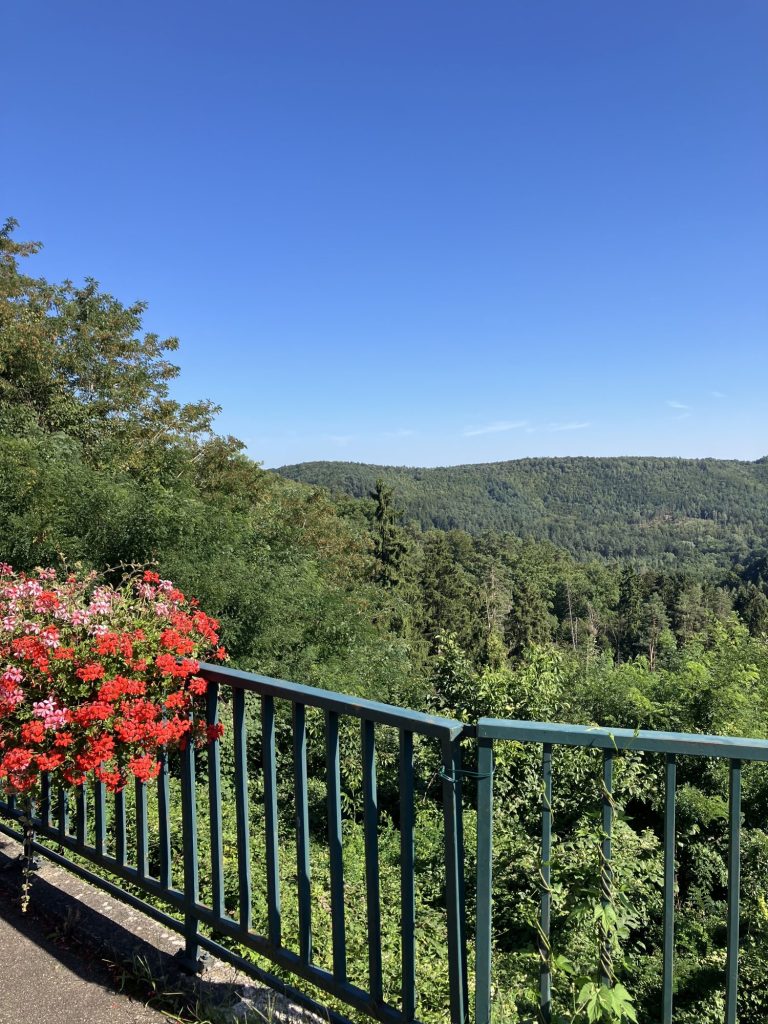
We left Saarbrücken via the Saar and soon crossed into France. Everything about this region makes it clear that, although French today, it has a German past. After a few kilometers along the Saar and the Saar Canal we left the water behind and explored l’Alsace bossue, a part of Alsace that juts into Lorraine. Colourful half-timbered houses, the first storks, lush flowerbeds everywhere, and further south the peaks of the Vosges in the distance… yes, this felt like Alsace. Inevitably we had to tackle some climbs here, as we were cycling through the northern Vosges. We passed several picturesque villages, with La Petite Pierre / Lützelstein especially worth a mention.
From La Petite Pierre we descended to the Marne–Rhine Canal. It’s a typical French canal, nowadays only used for recreational boating. We followed it all the way to Strasbourg—a flat ride along countless locks. We entered the city through the European Quarter. Here we took a rest day, as the historic centre is truly worth visiting.
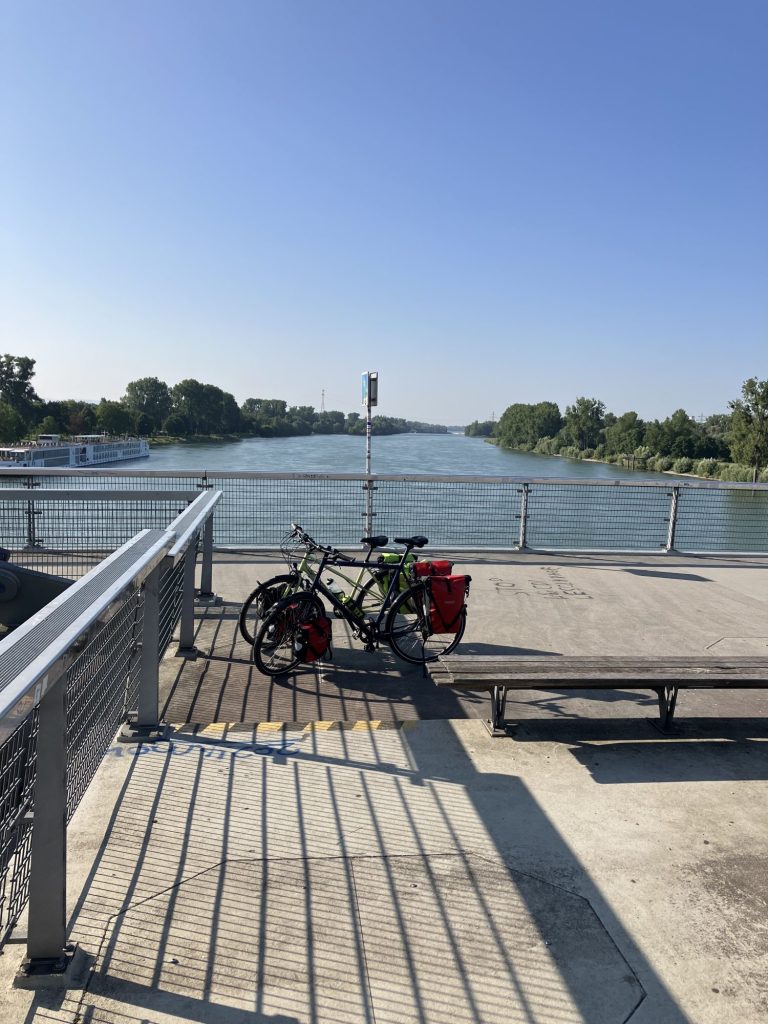
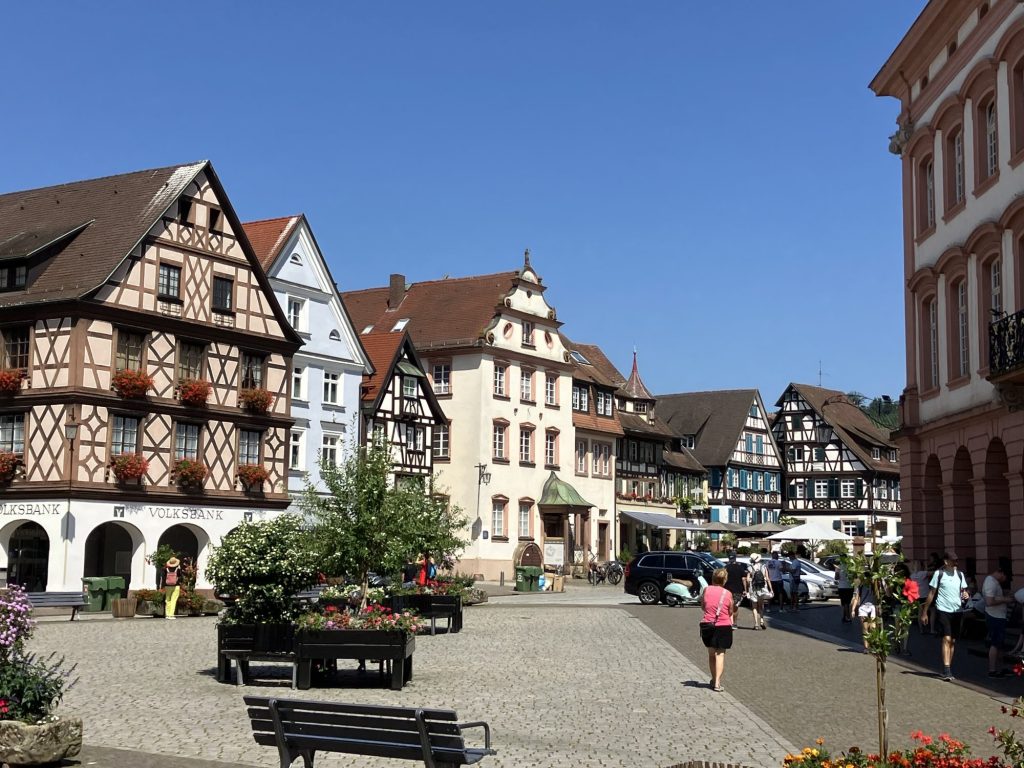
After Strasbourg we headed towards the Black Forest. Immediately upon leaving the city we crossed the Rhine on a fantastic cycle bridge. On the other side of the river, we were back in Germany. From Offenburg we followed the Kinzig River along the Kinzigtal Radweg. Again, we were impressed by the quality of German cycling infrastructure. This cycle route led us ever deeper into the Black Forest. Gradually we gained altitude once more. Along the way we passed plenty of traditional villages with half-timbered houses and colourful flower displays.
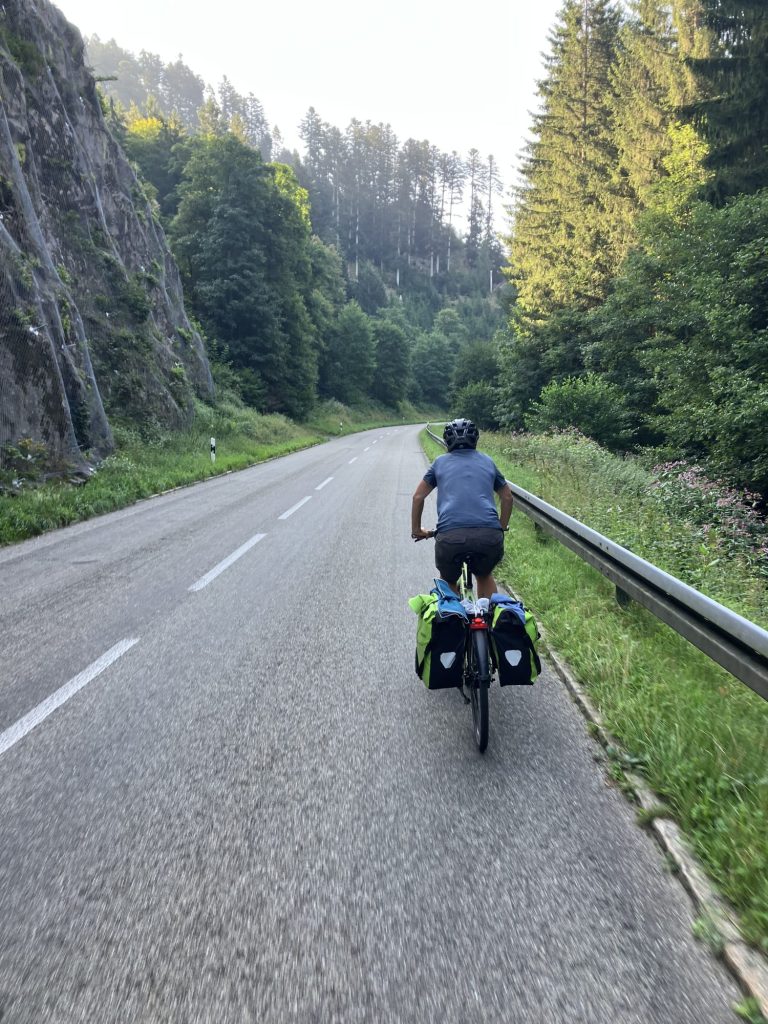
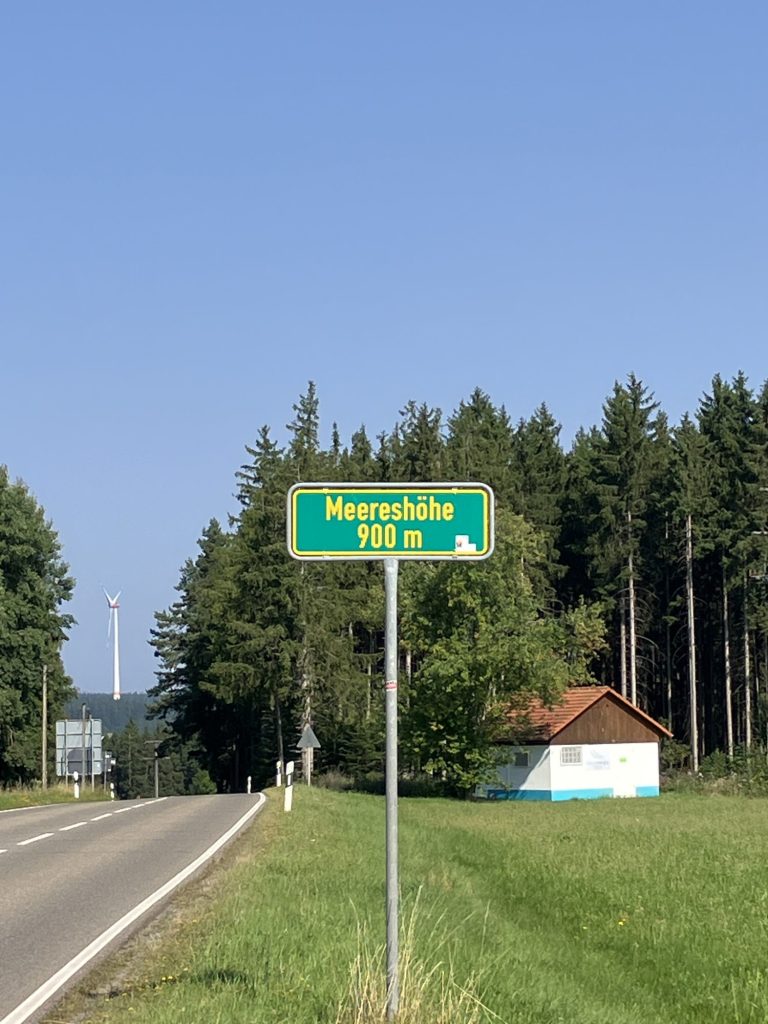
After Schiltach we left the Kinzig behind and faced a tough climb to the highest point of our cycling holiday. To avoid the heat of summer temperatures, we set out very early in the morning. A good decision: we rode through misty pine forests and reached the Tennenbronn Plateau (900m) before noon.
From there we descended along the Brigach Valley to the beautiful walled town of Villingen and then on to Donaueschingen. As the name suggests, this is where the Danube has its source. We were especially impressed by the Jugendstil buildings scattered across the town. From Donaueschingen we followed the still modest Danube along the popular Danube Radweg.
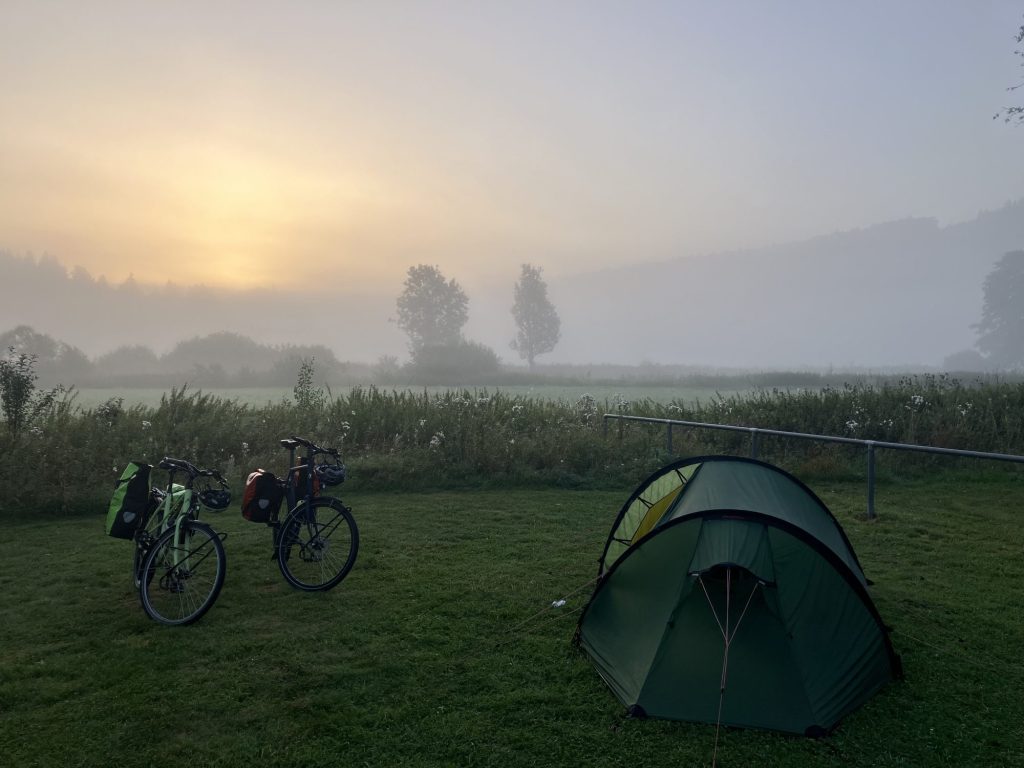
To reach Lake Constance we had to leave the Danube Valley behind, which meant more climbing. Again, we opted for an early start from Möhringen. It was another beautiful ride. After a few hours we reached the ski resort of Wittoh (862m). On a clear day you can see Lake Constance from there, but we weren’t so lucky. What followed was a long, wonderful descent towards Radolfzell.
From Radolfzell we briefly followed the Lake Constance Radweg to Constance, entering the historic city center via the bridge over the Rhine (yes, once again the Rhine).
We spent the night in Kreuzlingen (Switzerland), just beyond Constance. Here our trip ended after 10 cycling days and 730 km. We enjoyed one more day at the Lake and in Constance, before taking the train back to Brussels.