
The bicycle is increasingly seen as one of the solutions in our quest for less traffic congestion, reduced emissions, and a more active lifestyle. The development of high-performance electric motors for bicycles can certainly be seen as a turning point. The bicycle industry is thriving, leading to the development of a multitude of creative solutions.
If a bicycle is to be a real alternative to the car, it must also allow for the easy and safe transportation of children and/or groceries. The bicycle industry now offers various solutions for this, including the bicycle trailer, cargo bike, longtail, and numerous other solutions that cannot be categorized under a single label.
Here’s a brief overview of what is possible:
Bicycle Trailer:

At Velonaut, we are certainly fans of the bicycle trailer. The bicycle trailer allows you to use a regular bicycle in a cargo configuration. Many bicycle trailer solutions can also be easily and compactly stored when not in use. Therefore, the bicycle trailer is an ideal solution for those who occasionally want to transport large or heavy items by bike.
For more information, please refer to our blog post from March 2023 – The Bicycle Trailer: an Underestimated Asset for Urban Cyclists.
Cargo Bike:
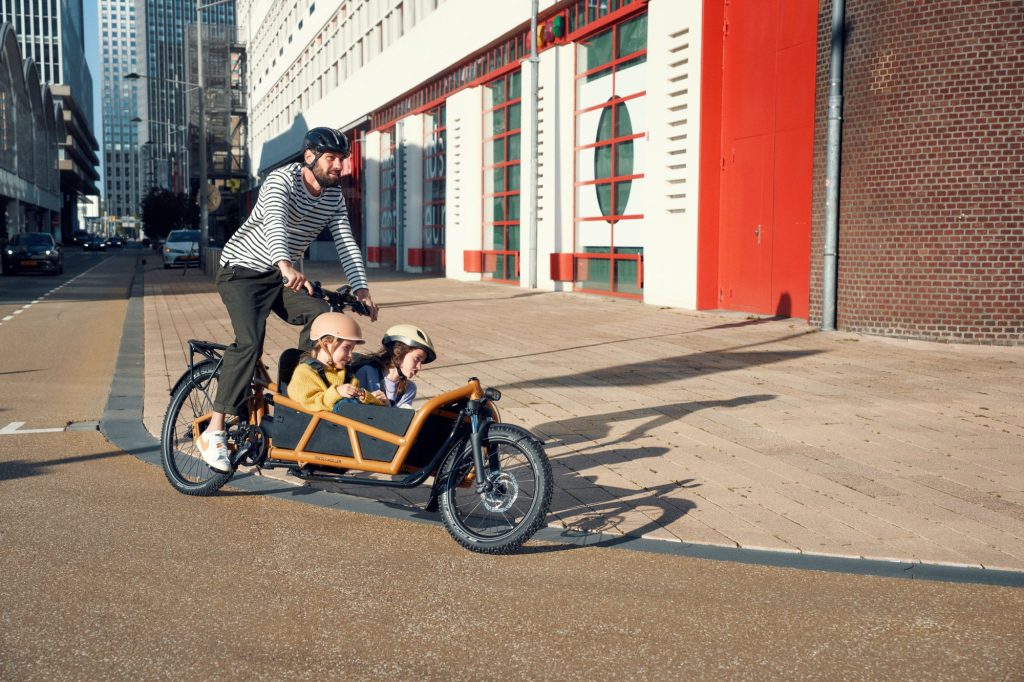
In recent years, the cargo bike has become an integral part of our urban landscape, particularly popular for transporting children. It is increasingly being recognized as an alternative for transporting packages and other small items, and rightly so. Among all the bicycle alternatives, the cargo bike stands out for its versatility; it is truly multi-purpose.
However, a cargo bike is less maneuverable compared to other bicycle solutions. Especially in cities with heavy car traffic and limited bike lanes, such as Brussels, you often find yourself amidst cars.
One characteristic of the cargo bike is that children sit at the front, exposed to the wind. This is why a rain cover is a necessary accessory when using a cargo bike for child transport. Without a rain cover, children can quickly get cold, even in dry weather and temperatures of 15°C. This is less of an issue with a longtail, where the children sit at the rear and the cyclist acts as a windbreaker.
Storing a cargo bike also requires more space, which is why some insurance companies impose stricter conditions for cargo bikes. They are more likely to be parked on the sidewalk in front of homes compared to other bicycles.
Longtail:

On a longtail, the main load is positioned at the rear of the bicycle. The bike essentially has a long and sturdy luggage rack. Choosing a longtail means opting for a stable cargo bike that maneuvers almost as a regular city bike. In cities with narrow streets, the longtail is a popular cargo solution.
For more information, please refer to our blog post from April 2023 – Longtails: What to Consider When Choosing One?
Other alternatives:
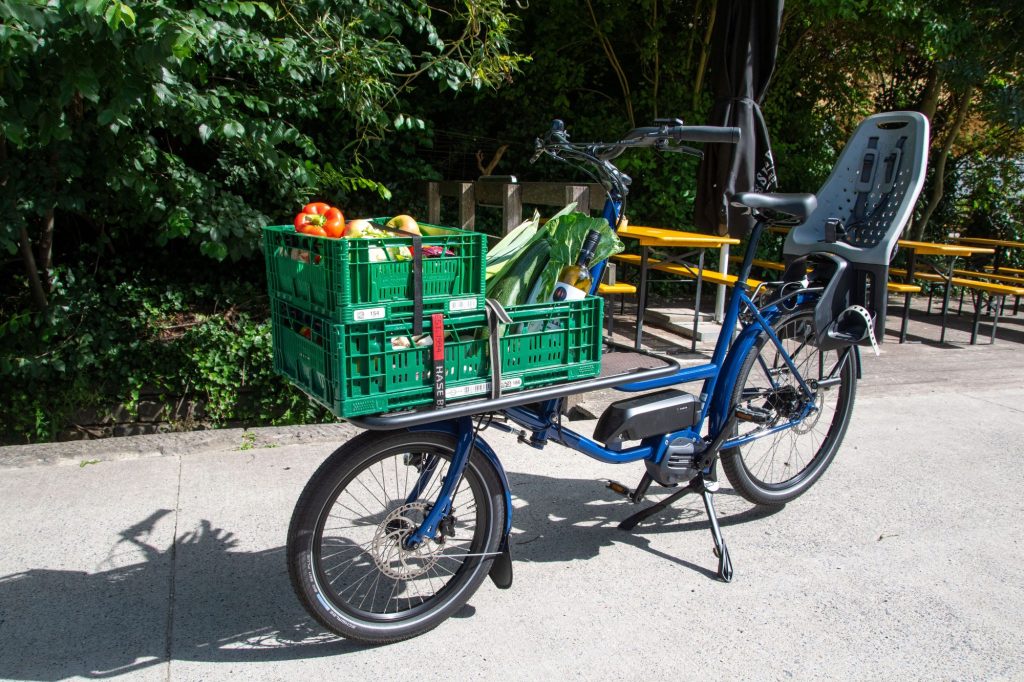
Then there are multi-purpose bikes that do not fit the definition of a cargo bike or longtail. These solutions share the following common characteristics:
- They have an atypical appearance
- They have a high load capacity from their frame geometry
- They are equipped for carrying items both at the front and rear
- In terms of length, they can compete with a regular bike, and in some cases, they are even more compact
- They are surprisingly efficient to ride
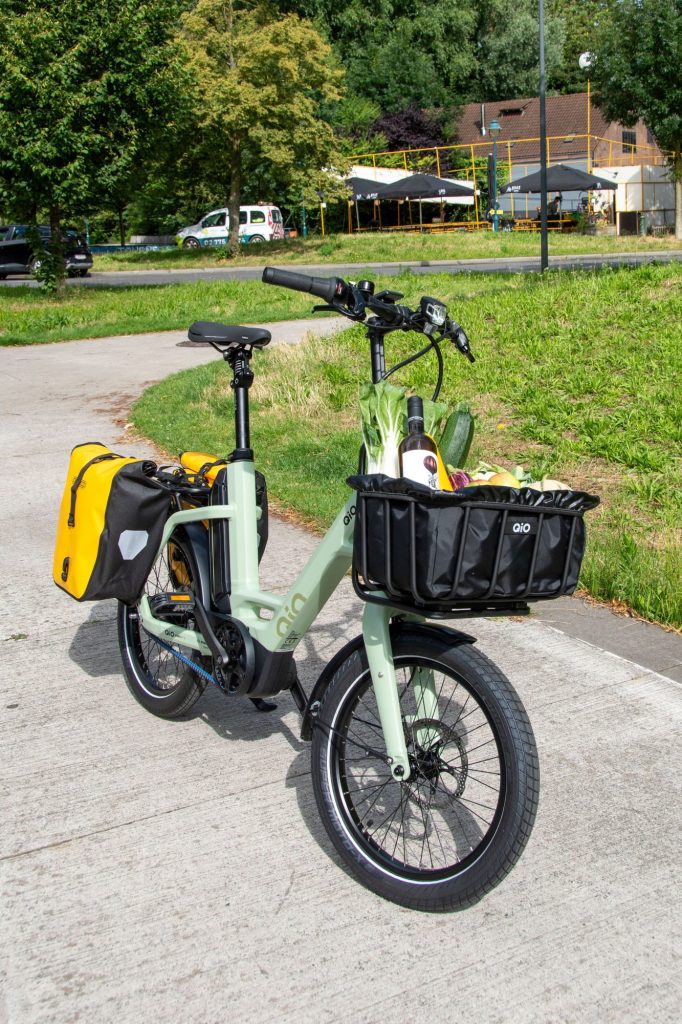
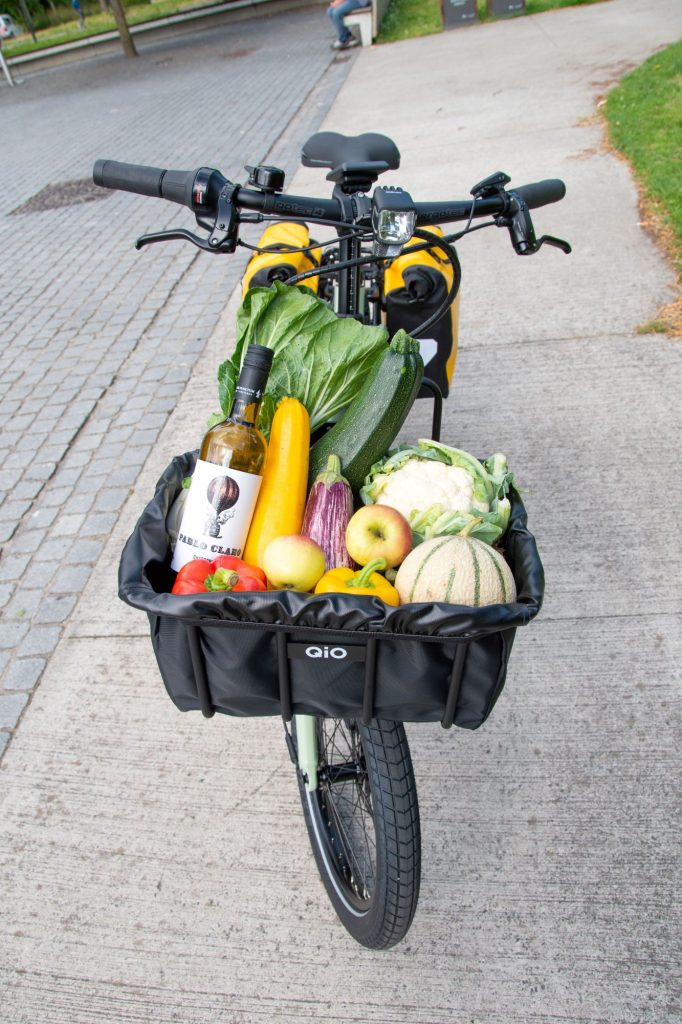
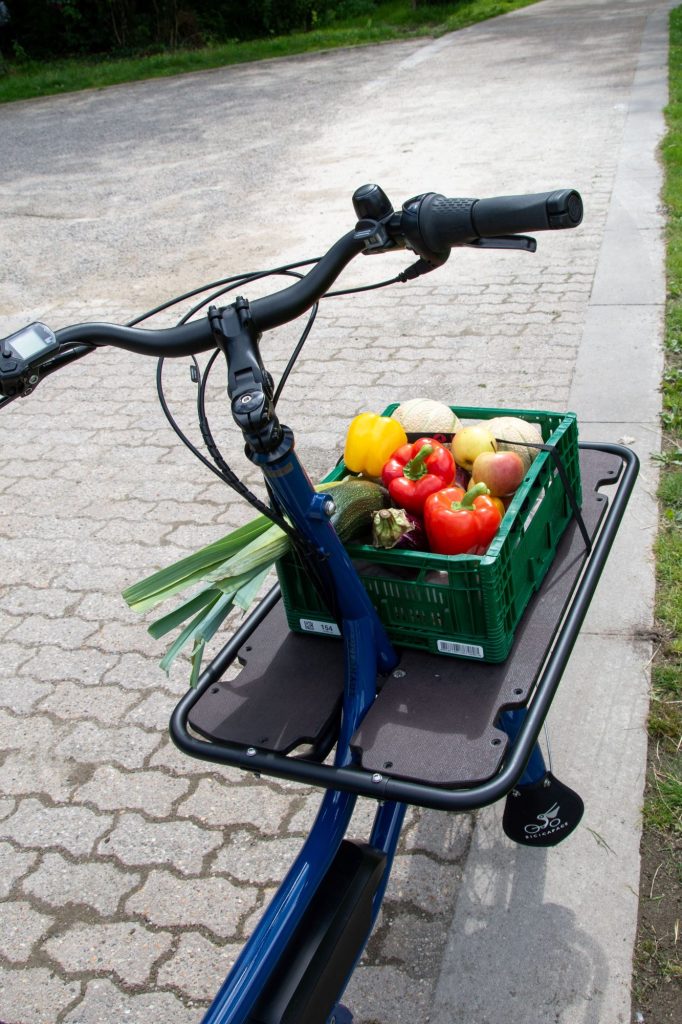

These are perfect solutions for the daily cyclist who desires more than just cycling from A to B, but for whom the XL alternatives mentioned earlier are too much. These bikes combine efficient riding with a substantial cargo capacity: child + groceries or large volumes of goods.
Typical examples of these are the following brands and models:
- QiO
- i:SY
- Bicicapace: Classicona & Pelican
- Omnium: Cargo, MiniMax & Mini
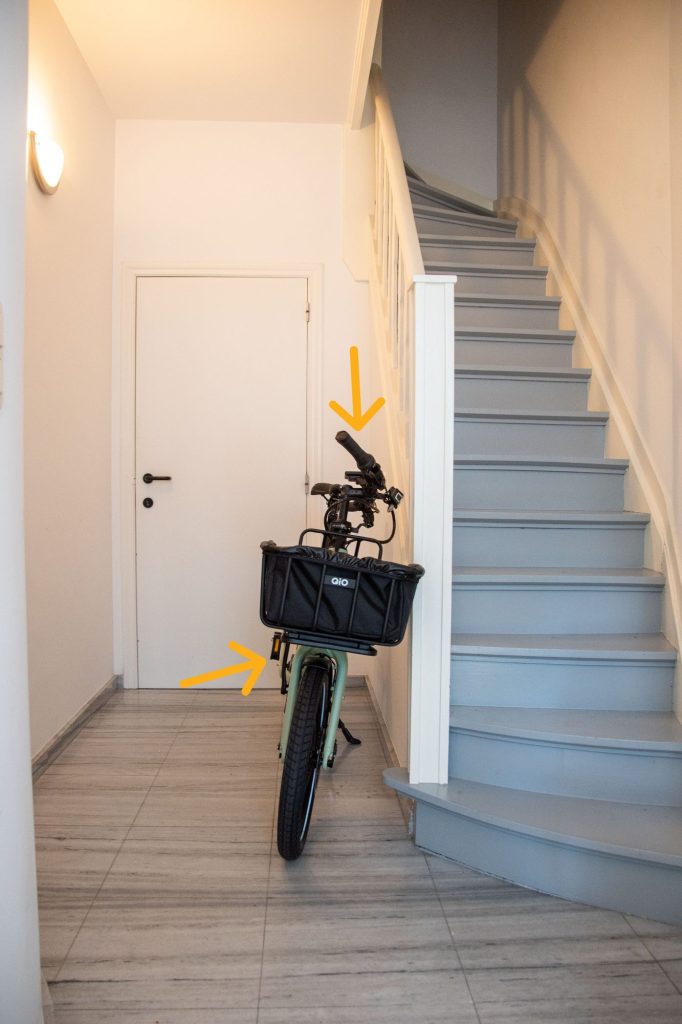
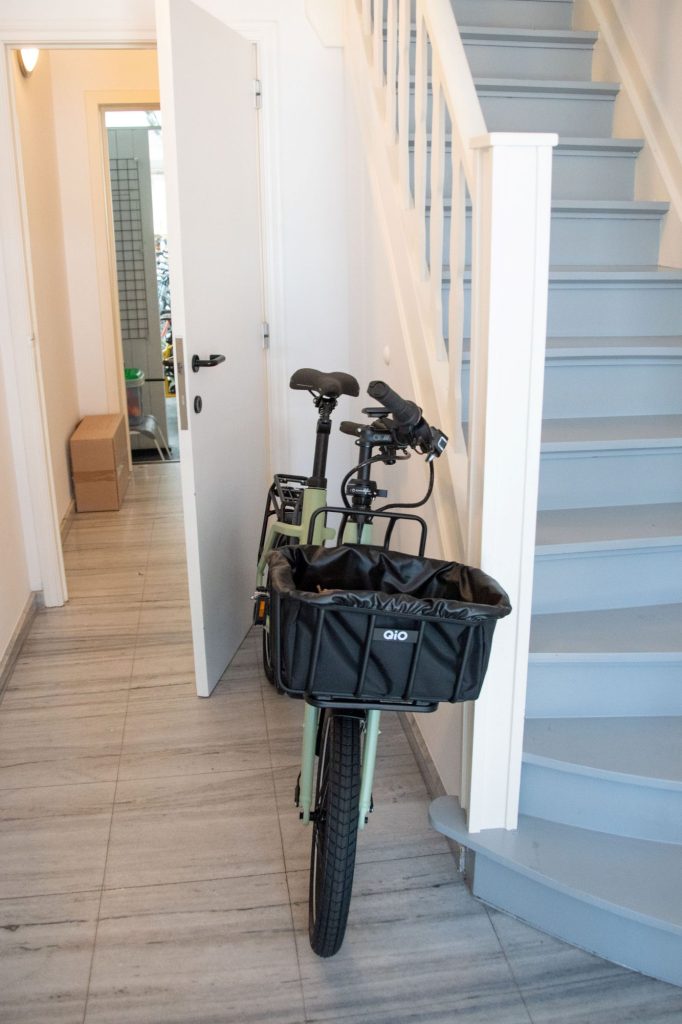
The QiO bike can also be parked compactly and conveniently. It is therefore an ideal bike for those who live in small spaces and have limited room.
Velonaut thanks ‘The Barn – Jette’ for their logistical support in the creation of this article.